Events for the discerning daydreamer


8 EVENTS
JANUARY 14th
to
FEBRUARY 25th

All about 1920s & 30s in Berlin and how that astonishing, fleeting era still resonates today
As we enter the late 20s ourselves, we begin to wonder...
What does a city dream of after one world has collapsed, and before another goes up in flames?
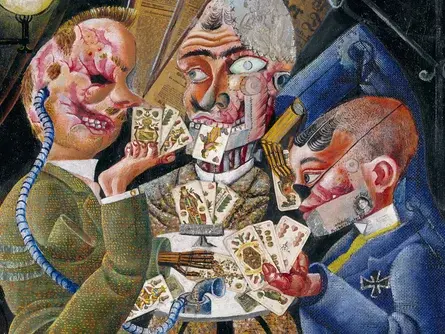
Between the industrialised slaughter of the First World War and the unprecedented destruction of the Second, Berlin became a place where the future was being invented, reconstituted, argued over and fought for.
Artists overturned conventions. Sexual pioneers challenged the boundaries of identity and desire. Writers crowded café tables and poured out their hearts, cabaret performers teased and mocked convention, cinema found new ways to capture the restless machinery of modern City life. Freedom felt possible. But catastrophe was coming for it all.
DARK GOLD brings together bestselling authors, artists, local characters, writers, academics and historians for eight evenings exploring this extraordinary world and the forces that transformed it. Hosted in the beautifully faded splendour of Clärchens Ballhaus, the series moves through the cafés, clubs, studios and streets of a city whose cultural brilliance existed alongside poverty, political violence and deepening desperation and resentment.
We enter the Romanisches Café, where talent, ambition and competing egos gathered around the tables. We explore queer nightlife and Magnus Hirschfeld’s struggle for sexual emancipation, and uncover the provocative world of Berliner Kabarett. Berlin’s streets come alive through a screening of Berlin: Symphony of a Great City (1927), exactly 100 years from its first release, accompanied by a live musical score from the 1871 Collective.
As the clouds darken, we examine the art the Nazis condemned and the art they celebrated; Katja Hoyer will take us through how the town of Weimar became a revealing miniature of Germany’s descent into dictatorship. With Norman Ohler, we trace the entanglement of drugs and power, from Nazi stimulants to the CIA’s psychedelic experiments. We will follow Gad Beck’s story of gay Jewish life, love and underground resistance.
Throughout, we ask what remains. How did these struggles shape the freedoms Berlin celebrates today? Which ambitions and instruments of control survived the regimes that cultivated them? And how do we remember a world whose pleasures can seem so familiar, even as we know what followed?
The “Golden Twenties” were never golden for everyone. Their darkness was neither invisible nor inevitable. Between nostalgia and hindsight lie real people making real choices: Pursuing pleasure, protecting friends, building careers, challenging power, accommodating it.
DARK GOLD invites us into their company to encounter a Berlin that still unsettles, seduces and shapes us, and to ask what its unfinished arguments demand of us now.
As we enter the late 20s ourselves, we begin to wonder...
What does a city dream of after one world has collapsed, and before another goes up in flames?
Between the industrialised slaughter of the First World War and the unprecedented destruction of the Second, Berlin became a place where the future was being invented, reconstituted, argued over and fought for. Artists overturned conventions. Sexual pioneers challenged the boundaries of identity and desire. Writers crowded café tables and poured out their hearts, cabaret performers teased and mocked convention, cinema found new ways to capture the restless machinery of modern City life. Freedom felt possible. But catastrophe was coming for it all.
DARK GOLD brings together bestselling authors, artists, local characters, writers, academics and historians for eight evenings exploring this extraordinary world and the forces that transformed it. Hosted in the beautifully faded splendour of Clärchens Ballhaus, the series moves through the cafés, clubs, studios and streets of a city whose cultural brilliance existed alongside poverty, political violence and deepening desperation and resentment.
We enter the Romanisches Café, where talent, ambition and competing egos gathered around the tables. We explore queer nightlife and Magnus Hirschfeld’s struggle for sexual emancipation, and uncover the provocative world of Berliner Kabarett. Berlin’s streets come alive through a screening of Berlin: Symphony of a Great City (1927), exactly 100 years from its first release, accompanied by a live musical score from the 1781 Collective.
As the clouds darken, we examine the art the Nazis condemned and the art they celebrated; Katja Hoyer will take us through how the town of Weimar became a revealing miniature of Germany’s descent into dictatorship. With Norman Ohler, we trace the entanglement of drugs and power, from Nazi stimulants to the CIA’s psychedelic experiments. We will follow Gad Beck’s story of gay Jewish life, love and underground resistance.
Throughout, we ask what remains. How did these struggles shape the freedoms Berlin celebrates today? Which ambitions and instruments of control survived the regimes that cultivated them? And how do we remember a world whose pleasures can seem so familiar, even as we know what followed?
The “Golden Twenties” were never golden for everyone. Their darkness was neither invisible nor inevitable. Between nostalgia and hindsight lie real people making real choices: Pursuing pleasure, protecting friends, building careers, challenging power, accommodating it.
DARK GOLD invites us into their company to encounter a Berlin that still unsettles, seduces and shapes us, and to ask what its unfinished arguments demand of us now.